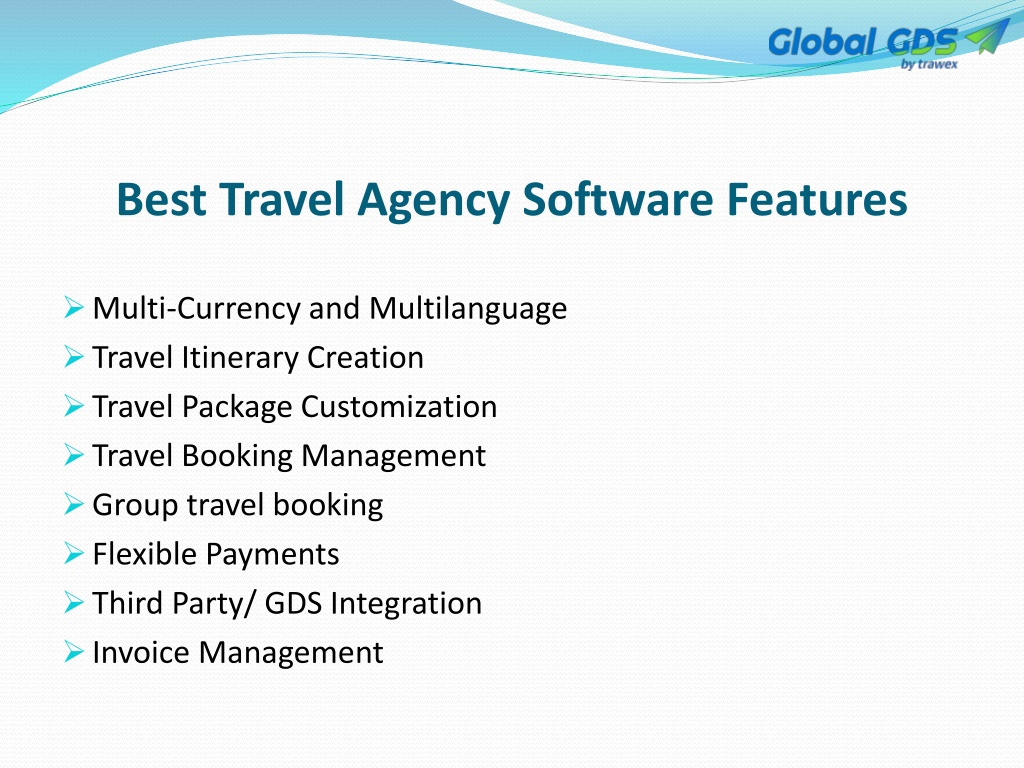
The travel industry's digital backbone is undeniably the software agents rely on. For over a decade, I've navigated the labyrinth of booking engines, CRM integrations, and itinerary builders, and let me tell you, choosing the right platform isn't just a decision; it's a strategic imperative. It's the difference between a streamlined operation and a chaotic mess. Seriously, the right tools can elevate your business from "just another agency" to a powerhouse. This isn't about fluff; it's about functionality, efficiency, and ultimately, profit. Let's dive deep into comparing the best travel agent software, not just on paper, but on the ground, where it counts.
The Core Pillars of Travel Agency Software Excellence
When we talk about comparing the best travel agent software, we're really dissecting what makes a platform indispensable. It's not just about having a pretty interface; it's about the grunt work it handles, freeing you up to do what you do best: sell travel and build relationships. Think of it as the engine of your agency. If it's sputtering, the whole vehicle grinds to a halt. We need to look at a few critical areas that truly differentiate the top contenders.
Booking Engine Capabilities
This is where the magic, or the mayhem, happens. A robust booking engine is the heart of any travel agency's operations. It needs to be fast, intuitive, and, most importantly, comprehensive. I've seen agents pull their hair out over clunky systems that struggle to find competitive airfares or miss crucial hotel details. The best platforms offer seamless integration with Global Distribution Systems (GDS), direct supplier connections, and a user-friendly interface for both agents and clients. It's a big deal when you can book a complex multi-city itinerary in minutes, not hours.
* GDS Integration Depth: How well does it play with Sabre, Amadeus, or Travelport?
* Direct Connects: Access to preferred suppliers and consolidators is key.
* Ancillary Services: Upselling opportunities for car rentals, insurance, and tours.
* Client-Facing Portals: Empowering clients with self-service booking and itinerary viewing.
Honestly? A travel agent is nothing without their clients. The CRM component within your travel agent software comparison framework is non-negotiable. It's your digital Rolodex, your client history log, your marketing powerhouse. I've witnessed firsthand how a well-maintained CRM can turn a one-time booker into a loyal advocate. This means tracking client preferences, past trips, communication history, and even birthdays. It allows for personalized marketing campaigns and proactive service. Without it, you're essentially flying blind.
* Contact Management: Storing and organizing client data effectively.
* Communication Tracking: Logging all interactions, emails, and calls.
* Segmentation & Marketing Tools: Creating targeted email lists for promotions.
* Loyalty Program Support: Managing rewards and incentives for repeat business.
Evaluating Operational Efficiency Tools
Beyond the core booking and client management, the truly elite travel agent software solutions offer tools that streamline day-to-day operations. These are the unsung heroes that save you time, reduce errors, and improve your bottom line. Think about invoicing, reporting, and task management. If these are manual processes, you're leaving money on the table and introducing unnecessary risk.
Financial Management and Reporting
This is where many agencies stumble. I've seen too many brilliant travel advisors get bogged down in spreadsheets and manual invoicing. A good travel agent software will handle this with grace. It should automate invoicing, track payments, manage commissions, and provide clear, insightful financial reports. Understanding your agency's financial health at a glance is crucial for strategic decision-making. It's not glamorous, but it's absolutely vital.
* Automated Invoicing: Generating invoices based on bookings and services.
* Commission Tracking: Accurately calculating and managing agent commissions.
* Expense Management: Recording and categorizing agency operational costs.
* Profitability Analysis: Generating reports on trip profitability and client value.
Itinerary Building and Presentation
Your client's itinerary is their roadmap to their dream vacation. It needs to be professional, detailed, and easy to follow. Look—the best platforms don't just spit out a bland list of flights and hotels. They offer customizable templates, beautiful visual design, and interactive elements. I've had clients rave about our itineraries, and that's a direct result of the software's capabilities. A stunning itinerary builds excitement and trust.
* Customizable Templates: Branding your itineraries with your agency's look and feel.
* Interactive Maps & Details: Embedding maps, photos, and real-time flight updates.
* Mobile-Friendly Access: Ensuring clients can view their itinerary on any device.
* Document Management: Storing and attaching booking confirmations and travel documents.
The Human Element: User Experience and Support
Let's be frank, technology is only as good as the people who use it and the people who support it. When you're in the trenches, wrestling with a new system, good support is a lifeline. I've dealt with tech companies that make you feel like you're talking to a brick wall. It's infuriating. The best travel agent software providers understand that their clients are busy professionals who need responsive, knowledgeable support.
Ease of Use and Learning Curve
Nobody wants to spend weeks learning a new system. The best platforms are intuitive and designed with the end-user in mind. This means clear navigation, logical workflows, and minimal training required. I’ve seen agents jump onto new platforms and be productive within a day. That’s the goal. If you're spending more time trying to figure out the software than actually selling trips, it's a failure.
* Intuitive Interface Design: Clean layouts and easy-to-understand menus.
* Workflow Streamlining: Processes designed for maximum efficiency.
* Onboarding Resources: Tutorials, knowledge bases, and initial setup assistance.
Customer Support and Training
This is where the rubber meets the road. When something goes wrong at 2 AM, and your client is in transit, you need immediate, competent support. I can't stress this enough. Look for providers with a reputation for excellent customer service, readily available training materials, and a responsive support team. It's not just about fixing problems; it's about proactive assistance and ensuring you're getting the most out of your investment.
* Response Times: How quickly do they address urgent issues?
* Support Channels: Availability via phone, email, chat, or ticketing system.
* Training Options: Live webinars, recorded sessions, and dedicated account managers.
* Community Forums: Peer-to-peer support and shared best practices.
Common Questions About comparing the best travel agent software
What are the key features to look for in travel agent software?
You should prioritize robust booking engine capabilities, comprehensive CRM integration, efficient financial management tools, polished itinerary builders, and exceptional customer support. The ease of use and learning curve are also critical factors for day-to-day operations.
How much does travel agent software typically cost?
Costs vary widely based on features, the number of users, and the provider. Expect anything from a few hundred dollars per month for basic packages to several thousand for enterprise-level solutions. Many offer tiered pricing based on usage or feature sets.
Can travel agent software help me find better deals?
While the software itself doesn't magically find deals, its efficient search and comparison tools, direct supplier connections, and access to GDS can help you identify competitive pricing and package options more quickly than manual methods.
Is it worth investing in premium travel agent software?
For most serious travel professionals, yes, it's absolutely worth it. The time savings, increased efficiency, enhanced client experience, and improved financial tracking offered by premium software can significantly boost profitability and reduce operational stress.
How do I compare different travel agent software platforms effectively?
Start by defining your agency's specific needs and priorities. Then, research leading providers, request demos, trial versions if available, and speak to current users. Pay close attention to user reviews, support quality, and the long-term value proposition.