
Mastering Business Travel: The Advisor's Elite Blueprint
You know, the world of business travel can feel like navigating a labyrinth blindfolded sometimes. Flights get canceled, hotels overbook, and that crucial meeting? Suddenly it's in a different city. This isn't just about booking a ticket; it's about orchestrating seamless journeys that keep productivity high and stress levels low. And that's where the true magic of a great business travel advisor comes in. It's a role that's evolved dramatically, moving far beyond simple logistics to become a strategic partner. Seriously, it's a big deal.
The Cornerstone: Unparalleled Expertise and Insight
What makes a great business travel advisor truly stand out? It’s not just knowing the cheapest fare. It’s the deep well of knowledge they tap into, a blend of industry trends, global politics, and the specific nuances of your company's travel patterns. They're not just booking agents; they're highly skilled strategists who understand the ripple effects of every travel decision. Think of them as your company's personal travel intelligence unit, constantly scanning the horizon for opportunities and potential pitfalls.Navigating the Global Landscape
A top-tier advisor possesses an almost intuitive understanding of the global travel ecosystem. They know which airlines are consistently reliable, which hotel chains offer the best corporate rates and amenities, and even the subtle cultural considerations that can make or break an international trip. It’s about more than just price; it’s about value, reliability, and ensuring your travelers arrive refreshed and ready to conduct business, not exhausted from the journey itself. This requires constant learning and adaptation, staying ahead of booking platform changes and geopolitical shifts that can impact travel routes and safety.
They’re adept at anticipating problems before they arise. A storm brewing on the East Coast? They're already looking at alternative routes for your West Coast-bound executive. A major event in a key city? They've secured preferred rates and inventory months in advance. This proactive approach is a hallmark of true professionalism, minimizing disruption and maximizing efficiency for everyone involved. It’s this foresight that separates the good from the truly exceptional.
Furthermore, a great advisor understands that "business travel" isn't a monolithic concept. It varies wildly depending on the industry, the seniority of the traveler, and the purpose of the trip. A sales team's needs are different from an executive board's, and a consultant's requirements might differ again. Tailoring solutions to these specific demands is crucial, demonstrating a keen understanding of each client's unique operational landscape.
It's a constant dance between data and intuition. They analyze booking patterns, identify cost-saving opportunities, and leverage their relationships with suppliers to secure the best possible outcomes. But they also bring a human element, understanding the personal preferences and comfort levels of individual travelers, which can significantly impact their well-being and productivity on the road.
Mastering the Art of Negotiation
Let's be honest, negotiation is a superpower in this industry. A great business travel advisor doesn't just accept published rates; they leverage their volume and relationships to secure preferential pricing and added perks. This isn't just about saving a few dollars here and there; it’s about significant cost savings that can impact a company's bottom line. They understand the leverage points and aren't afraid to push for better terms, whether it's for flights, hotels, car rentals, or even complex group bookings.
Their negotiation skills extend beyond just price. They’re adept at securing value-added services like complimentary Wi-Fi, breakfast, room upgrades, and flexible cancellation policies, all of which contribute to a more positive and productive travel experience. These seemingly small benefits can accumulate, making a significant difference in the overall cost and satisfaction of business travel. It's about getting the most bang for your buck, and then some.
Building and maintaining strong relationships with airlines, hotel chains, and other travel providers is fundamental to their negotiation prowess. These aren't just transactional relationships; they're partnerships built on trust and mutual benefit. This allows them to access inventory that might not be publicly available and to resolve issues quickly and efficiently when they inevitably arise.
The ability to read between the lines of a contract and understand the implications of different clauses is also vital. They can identify hidden fees, understand blackout periods, and ensure that the terms align with the company's travel policies and objectives. This level of diligence protects the client from unexpected costs and ensures compliance.
Beyond Logistics: The Human Element of Service
Anyone can book a flight. What truly sets a great business travel advisor apart is their unwavering commitment to the traveler. They’re the calm in the storm, the problem-solvers who are there when things go sideways, and the trusted confidants who understand the pressures of constant travel. It's about building rapport, anticipating needs, and making the entire process feel as effortless as possible. Look—this is where the real value lies.Proactive Problem-Solving and Support
When a flight is canceled, the first call isn't to the airline; it's to their trusted advisor. They've already been alerted and are likely working on a solution before the traveler even realizes there's an issue. This proactive approach to problem-solving is invaluable, minimizing downtime and stress. They have backup plans, alternative carriers, and often the direct contacts needed to expedite rebookings.
It's not just about the big disruptions, either. A great advisor is on top of things like visa requirements, travel alerts, and health advisories. They ensure your travelers are fully prepared and compliant with all necessary regulations, preventing last-minute scrambles and potential travel impediments. This comprehensive oversight is a critical component of risk management for any company with a mobile workforce.
Their support extends to the ground, too. Need a last-minute car service? A recommendation for a quiet restaurant near the hotel? They've got you covered. This level of personalized service makes travelers feel valued and supported, fostering loyalty and ensuring a positive experience, even during demanding business trips. It’s the little things that make a huge difference.
Ultimately, their goal is to remove the burden of travel logistics from the shoulders of the business traveler, allowing them to focus entirely on their objectives. This frees up mental bandwidth and contributes to greater overall productivity and job satisfaction. It’s a partnership built on trust and reliability.
Personalized Traveler Care and Communication
This is where the "elite" in elite journalism really comes into play. A great advisor remembers that "Mr. Smith prefers aisle seats" or "Ms. Jones needs a quiet room away from the elevator." They build detailed profiles of their clients, understanding their preferences, their travel habits, and even their dietary restrictions. This level of personalization transforms a transactional booking into a bespoke service.
Communication is key. They provide clear, concise itineraries, timely updates on flight status, and are readily available to answer questions or address concerns. This open and honest communication builds confidence and ensures that travelers feel informed and in control, even when they're thousands of miles away. It’s about managing expectations and exceeding them.
They also understand the importance of post-trip follow-up. Did everything go smoothly? Were there any issues? Gathering this feedback allows them to continually refine their service and identify areas for improvement, ensuring that each subsequent trip is even better than the last. This commitment to continuous improvement is a hallmark of exceptional service providers.
Seriously, the empathy and understanding a great advisor brings to the table are often overlooked, but they are absolutely critical. They understand the demands of business travel—the long hours, the time zone changes, the need to perform under pressure. Their role is to alleviate as much of that stress as possible, acting as a reassuring presence in an often unpredictable world.
Leveraging Technology for Enhanced Efficiency
While the human touch is paramount, a modern business travel advisor must also be a savvy adopter of technology. It's not about replacing human expertise but augmenting it, creating a more streamlined, data-driven, and efficient experience for everyone. The best advisors blend cutting-edge tools with their seasoned judgment.Utilizing Advanced Booking and Management Platforms
Gone are the days of manual bookings for every single element. Great advisors leverage sophisticated Global Distribution Systems (GDS) and specialized travel management platforms to access a vast array of options, compare prices in real-time, and manage complex itineraries with ease. These tools are essential for efficiency and accuracy in today's fast-paced travel environment.
These platforms also offer powerful reporting and analytics capabilities. This allows advisors to track spending, identify trends, and provide clients with detailed insights into their travel expenditures. This data-driven approach is crucial for budget management and strategic planning, enabling companies to make informed decisions about their travel policies and investments.
Furthermore, mobile integration is no longer a luxury; it's a necessity. Advisors ensure that travelers have access to their itineraries, booking details, and support channels through user-friendly mobile apps, providing convenience and real-time assistance on the go. This keeps travelers connected and informed, no matter where they are.
The ability to integrate these platforms with a company's internal systems, such as HR or expense management software, further enhances efficiency. This creates a seamless workflow, reduces manual data entry, and minimizes the risk of errors. It’s all about creating a connected ecosystem for travel management.
Data Analytics and Policy Compliance
A truly exceptional advisor uses data not just for booking, but for strategic guidance. They analyze spending patterns to identify opportunities for cost savings, negotiate better corporate rates based on actual volume, and help companies enforce their travel policies effectively. This data-driven insight is invaluable for optimizing travel programs.
Policy compliance is a significant concern for many businesses. A great advisor ensures that all bookings adhere to the company's established travel policies, whether it's preferred airlines, hotel brands, or spending limits. They can flag non-compliant bookings and educate travelers, promoting responsible spending and adherence to guidelines.
The insights derived from data analytics can also inform future travel strategies. By understanding travel patterns, peak booking times, and common destinations, companies can make more strategic decisions about preferred vendors, negotiate more favorable long-term contracts, and even optimize their office locations based on employee travel needs.
It's about transforming raw data into actionable intelligence. This empowers businesses to not only manage their current travel effectively but also to plan for future needs with greater accuracy and foresight. This proactive approach to travel management is a key differentiator.
Common Questions About what makes a great business travel advisor
What is the primary difference between a travel agent and a business travel advisor?
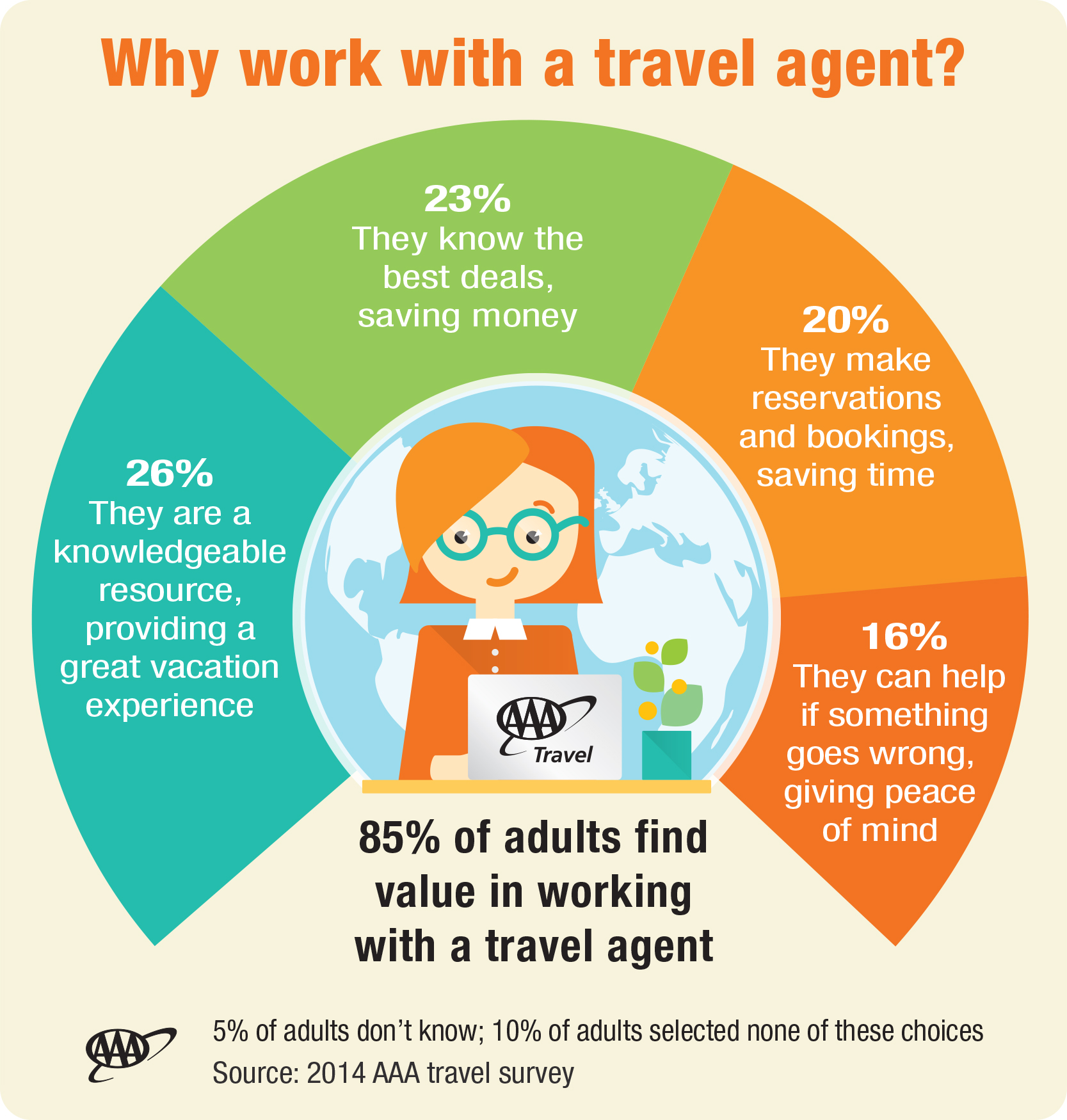
A travel agent typically focuses on leisure travel, booking vacations and personal trips. A business travel advisor, on the other hand, specializes in corporate travel, understanding the unique needs, policies, and cost-saving objectives of businesses. They act as strategic partners, offering expertise in negotiation, policy compliance, and traveler support that goes far beyond simple booking.
How can a business travel advisor help reduce travel costs?
Great advisors leverage their industry knowledge, strong supplier relationships, and negotiation skills to secure corporate rates, discounts, and value-added amenities. They also utilize data analytics to identify cost-saving opportunities, monitor spending, and ensure compliance with travel policies, all of which contribute to significant overall savings.
What kind of technology do great business travel advisors use?
They employ advanced booking and management platforms, Global Distribution Systems (GDS), reporting and analytics tools, and mobile applications. These technologies enhance efficiency, accuracy, and provide real-time data for informed decision-making and traveler support.
Why is personalized service so important in business travel?
Personalized service ensures that travelers' individual needs and preferences are met, leading to a more comfortable and productive journey. This can include preferred seating, room types, and even pre-trip briefings. It fosters loyalty and demonstrates that the company values its traveling employees, reducing stress and improving overall satisfaction.
Can a business travel advisor help with unexpected travel disruptions?
Absolutely. This is one of their most critical functions. They are proactive in monitoring for potential disruptions like flight cancellations or weather delays and have contingency plans in place. They work quickly to rebook travelers, secure alternative arrangements, and communicate updates, minimizing downtime and stress during unforeseen circumstances.