
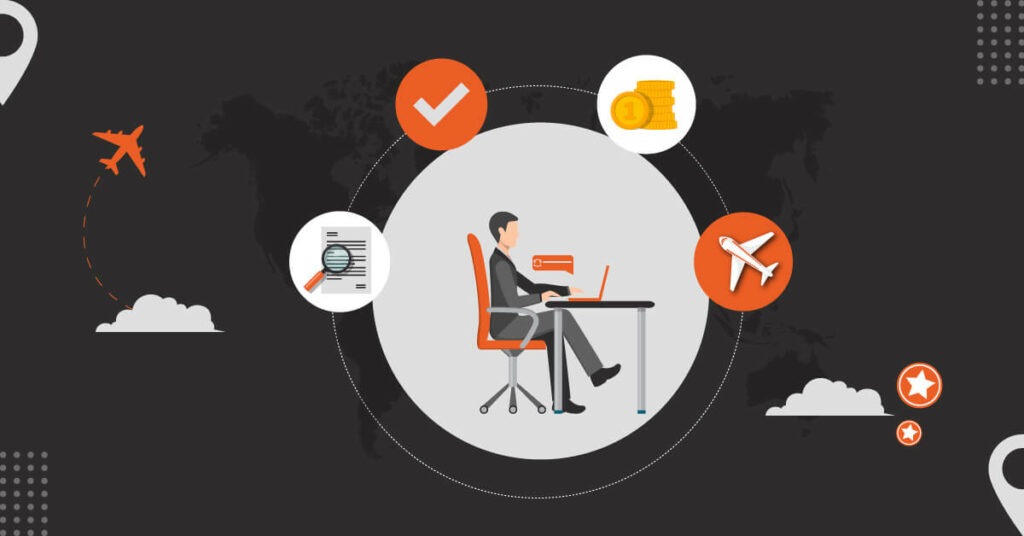
Corporate Travel's Tech Engine Unveiled
Seriously, if you've ever booked a business trip, you've probably taken the underlying technology behind professional travel management for granted. It's the silent wizard behind the curtain, making sure your flights are booked, your hotels are secured, and your expenses are (eventually) sorted. But let's pull back that curtain. This isn't about clunky old booking sites; we're talking about sophisticated systems that are constantly evolving. It's a big deal, really.
The Core Architecture of Modern Travel Tech
At its heart, the technology behind professional travel management is a complex ecosystem designed for efficiency, cost control, and traveler well-being. Think of it as a hyper-connected nervous system for a company's mobility. It’s built on a foundation of data integration, automation, and predictive analytics, all working in concert to streamline what used to be a chaotic manual process. Honestly? It’s transformed how businesses operate on a global scale.Data Orchestration: The Unsung Hero
This is where the magic truly begins. Imagine trying to manage flight schedules from a dozen airlines, hotel inventories from thousands of properties, and corporate policy stipulations all at once. It's a nightmare. The technology behind professional travel management tackles this through robust data orchestration. It pulls in real-time information from Global Distribution Systems (GDS), airline direct connects, hotel aggregators, and even ride-sharing platforms. This data isn't just collected; it's harmonized, cleansed, and made ready for intelligent decision-making. It’s about having a single source of truth, accessible and actionable.Policy Engine: The Digital Gatekeeper
Every company has its travel policies, right? From preferred airlines to spending limits, these rules are crucial for budget adherence and duty of care. The policy engine within the technology behind professional travel management is the digital gatekeeper. It integrates these corporate mandates directly into the booking process. Travelers see only compliant options, and deviations trigger alerts or require specific approvals. This automates a significant chunk of compliance work, freeing up travel managers to focus on more strategic initiatives. It’s less about "no" and more about "yes, within these parameters."User Experience & Traveler Empowerment
Gone are the days of rigid, impersonal booking portals. Modern the technology behind professional travel management places a huge emphasis on user experience. Mobile-first design, personalized recommendations, and intuitive interfaces are now standard. Travelers can manage their itineraries, access important documents, and communicate with support all from their smartphones. This isn't just about convenience; it's about ensuring traveler safety and satisfaction, which ultimately impacts productivity. A happy traveler is a more productive traveler, after all.
Automation and AI: The Efficiency Multiplier
The real game-changer in the technology behind professional travel management has been the relentless march of automation and artificial intelligence. This isn't just about chatbots answering simple queries, though they're part of it. We're talking about systems that can predict travel disruptions, optimize routing for cost savings, and even personalize travel recommendations based on past behavior. It's a continuous loop of learning and improvement.Automated Booking and Fulfillment
Think about the sheer volume of bookings. Automation handles the repetitive tasks: searching for the best fares, comparing hotel rates, and confirming reservations. This drastically reduces the potential for human error and frees up valuable time for travel managers. It's about getting from A to B without the administrative headache. Look—this alone saves companies millions.AI-Powered Insights and Optimization
Artificial intelligence is where things get really interesting. AI algorithms analyze vast datasets to identify trends, predict future travel demand, and flag potential cost-saving opportunities. For instance, an AI might suggest shifting travel dates slightly to secure lower fares or recommend alternative routes during peak seasons. It can even predict the likelihood of flight delays based on historical data and weather patterns, allowing for proactive adjustments. This level of foresight is invaluable.Duty of Care and Risk Management
Ensuring traveler safety is paramount, and the technology behind professional travel management plays a critical role here. AI can monitor global events, pinpoint traveler locations, and alert companies to potential risks in real-time. This allows for rapid communication and assistance if a situation arises. It’s about more than just booking a ticket; it’s about responsible corporate citizenship.
Integration and Connectivity: The Seamless Flow
The true power of the technology behind professional travel management lies in its ability to integrate with other critical business systems. This creates a seamless flow of information, eliminating data silos and enhancing overall operational efficiency. It's not just about travel; it's about how travel impacts finance, HR, and operations.Expense Management Synergy
This is a big one. Integrating travel booking with expense management platforms is a no-brainer. When travel data is captured at the point of booking, it pre-populates expense reports, drastically reducing manual entry and the potential for errors. It streamlines the entire reimbursement process, making life easier for both employees and finance departments. It’s about closing the loop from booking to reconciliation.HR and ERP Integration
Connecting the technology behind professional travel management with Human Resources (HR) and Enterprise Resource Planning (ERP) systems ensures accurate traveler data, compliance with employee classifications, and better budget allocation. This integration provides a holistic view of employee mobility and its financial impact. It’s about aligning travel strategy with broader business objectives.Supplier Connectivity: Beyond the GDS
While Global Distribution Systems remain foundational, modern the technology behind professional travel management increasingly leverages direct connections with airlines, hotels, and other suppliers. This "direct connect" approach can unlock better content, more favorable rates, and richer data for analysis. It’s about accessing the best of what the travel ecosystem has to offer, not just what’s easily available.
Common Questions About the technology behind professional travel management
What are the primary components of professional travel management technology?
The core components include data orchestration engines, policy engines, user experience interfaces, automation tools, AI-driven analytics, and integration capabilities with expense management, HR, and ERP systems. It’s a layered approach to managing complexity.
How does AI enhance professional travel management?
AI enhances professional travel management by providing predictive insights into travel demand and costs, optimizing routing, automating complex decision-making, personalizing traveler experiences, and improving risk assessment and duty of care protocols.
Why is integration with expense management systems so important?
Integration streamlines the entire travel and expense lifecycle. By capturing travel data at the booking stage, it pre-populates expense reports, reduces manual data entry, minimizes errors, and accelerates reimbursement processes, saving time and resources for both employees and finance teams.
What is the role of automation in travel technology?
Automation handles repetitive tasks like searching for flights and hotels, booking reservations, and managing itinerary changes. This significantly reduces human error, increases efficiency, and frees up travel managers to focus on more strategic aspects of travel program management.
How does travel technology support duty of care?
It supports duty of care by providing real-time traveler tracking, monitoring global events and potential risks, facilitating rapid communication during emergencies, and ensuring that travel policies align with safety regulations and corporate responsibility mandates.