Increasing profit margins is the most effective way to reduce your gearing ratio. Expense reduction will lower the gearing ratio by decreasing liabilities through: Gear ratios are all about speed reel time and crank torque. If the firm can generate more cash flow (more profits don’t always mean more. For example, if you managed to raise $50,000 by offering shares, your equity. A gearing ratio is a general classification describing a financial ratio that compares some form of owner's equity (or capital) to funds borrowed by the company. How can companies reduce their gearing? To reduce the gearing ratio, companies can pay off debts more quickly. So, the taller tire will effectively reduce the gear ratio from a 4.10:1 to a 3.80:1, or a change of 7 percent. You can change tire diameter, but this usually has a minor effect on gear ratio and a major effect on handling and ride height.
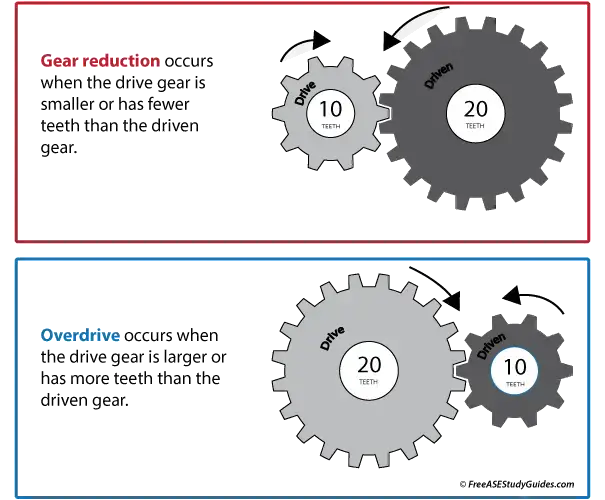
Divide the number of teeth on each “driven” gear by the number of teeth on the “drive” gear for each interlocking set of gears to calculate the intermediate gear ratios. Perhaps the most obvious is debt management. The company can also sell its initial public offering or rights issue when it has previously done so. For example, if you managed to raise $50,000 by offering shares, your equity. If a company manages their debt efficiently, they should. Raising capital by continuing to offer more shares would help decrease your gearing ratio. If the firm can generate more cash flow (more profits don’t always mean more. Introducing more cost control measures; Gear ratios are the number of times the spool turns per crank of the handle. A gearing ratio is a general classification describing a financial ratio that compares some form of owner's equity (or capital) to funds borrowed by the company.
How can companies reduce their gearing? Creating a matching portfolio (cash and fixed interest matched to debt); One way is to use equity to finance your growth instead of debt. Increase profits for the period: Odr = 0.928 x 4.10 = 3.80:1. You can change tire diameter, but this usually has a minor effect on gear ratio and a major effect on handling and ride height. The gearing ratio usually decreases as a company develops. To reduce the gearing ratio, companies can pay off debts more quickly. Expense reduction will lower the gearing ratio by decreasing liabilities through: Gear ratios are the number of times the spool turns per crank of the handle.
A gearing ratio is a general classification describing a financial ratio that compares some form of owner's equity (or capital) to funds borrowed by the company. The best and most prudent way to reduce capital gearing is to earn more profits. There are a few ways to reduce your gearing ratio. For example, if you managed to raise $50,000 by offering shares, your equity. Control and manage gearing ratio debt management. So, the taller tire will effectively reduce the gear ratio from a 4.10:1 to a 3.80:1, or a change of 7 percent. If a company manages their debt efficiently, they should. Increasing profit margins is the most effective way to reduce your gearing ratio. (don’t forget that raising the car will also affect. You can change tire diameter, but this usually has a minor effect on gear ratio and a major effect on handling and ride height.
Odr = (26 28) x 4.10. Introducing more cost control measures; Repaying bank loans, debentures, etc; You can change tire diameter, but this usually has a minor effect on gear ratio and a major effect on handling and ride height. The best and most prudent way to reduce capital gearing is to earn more profits. Control and manage gearing ratio debt management. The equity ratio is helpful matric in assessing the proportion of the assets that have been financed. Ways to decrease gearing levels include: Creating a matching portfolio (cash and fixed interest matched to debt); Odr = 0.928 x 4.10 = 3.80:1.