
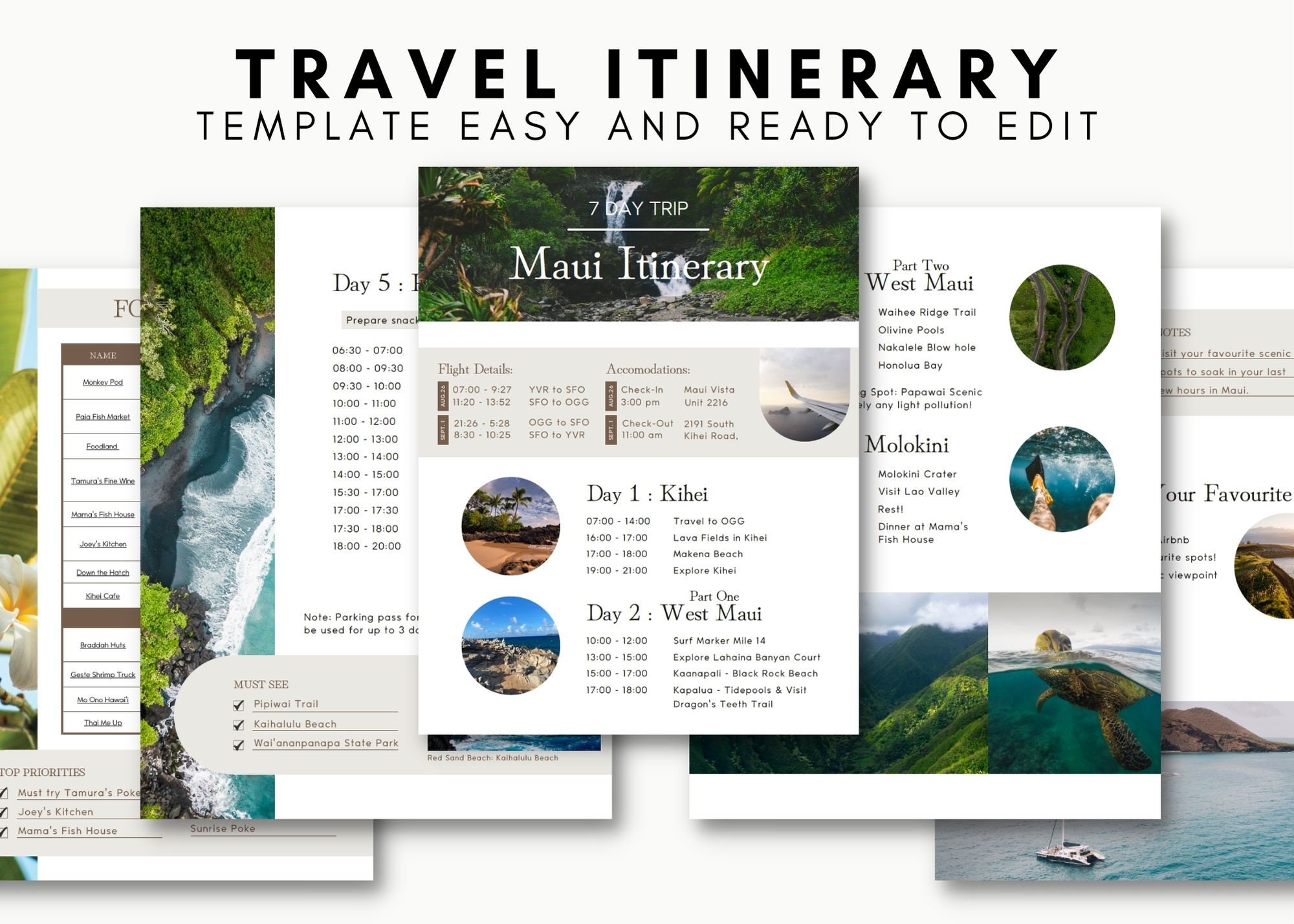
Mastering Professional Travel Agency Itinerary Formatting
Ever stared at a blank page, tasked with crafting an itinerary so polished, so intuitively organized, that your clients feel like they've already arrived before they even leave? Yeah, me too. For over a decade, I've wrangled countless trips from chaotic scribbles to beautifully structured journeys. It's not just about listing flights and hotels; it's about artful storytelling, anticipating needs, and frankly, making your agency look like the absolute pros you are. Seriously, a killer itinerary is your handshake, your first impression, and your ongoing reassurance. It's a big deal.
The Foundation: Clarity and Client Experience in Itinerary Design
Let's get this straight: the primary goal of how to format a professional travel agency itinerary isn't just to show off your organizational skills (though that's a nice perk!). It's to create an unparalleled client experience. Think about it – your clients are handing over their precious vacation time and hard-earned cash. The least you can do is present their upcoming adventure in a way that’s crystal clear, brimming with anticipation, and free of any "wait, what?" moments. This isn't just data entry; it's about weaving a narrative that builds excitement and instills confidence from the get-go.Defining the Structure: Blueprint for Seamless Travel
Before you even think about colors or fonts, you need a solid structure. This is your blueprint, the skeleton upon which you’ll build the entire travel experience. A well-structured itinerary acts as a GPS for your clients, guiding them through each step of their journey with ease. It's about logical flow, intuitive navigation, and ensuring that all essential information is readily accessible. Forget dense blocks of text; we're talking about digestible sections that make sense at a glance.Day-by-Day Breakdown: The Itinerary's Core Narrative
This is where the magic truly happens. Each day needs its own dedicated space, clearly delineated. Think of it as a chapter in their travel novel. You’ll want to include the date, day of the week, and a brief, enticing overview of what’s in store. Don't just list activities; paint a picture. Use evocative language to describe the experiences, hinting at the joy and discovery that awaits. It’s about setting the scene and building anticipation, day by glorious day.Essential Information Blocks: The Traveler's Toolkit
Within each day, and also in a dedicated summary section, you need to present key logistical details. This includes flight numbers, departure and arrival times, hotel names, addresses, and contact information. It’s crucial to be precise here. A typo in a flight number? That’s a client stranded at the airport, and trust me, that’s not a story you want to tell. Think of these as the vital signs of their trip, keeping everything healthy and on track.
Elevating the Content: Crafting an Authoritative and Engaging Itinerary
Now that we've got the bones, let's talk about the flesh and blood – the content itself. This is where your expertise shines. You're not just an order-taker; you're a curator of experiences, a logistical wizard, and a trusted advisor. Your itinerary should reflect that. It should feel personal, informed, and genuinely helpful. Look—we're aiming for "wow," not "meh."Incorporating Experiential Details: Beyond the Bookings
This is where you differentiate yourself. Don't just say "visit the Eiffel Tower." Instead, offer a tip: "Consider booking your Eiffel Tower tickets online in advance to bypass the queues and maximize your time." Or, for a culinary tour, suggest a specific dish to try at a recommended restaurant. These little nuggets of wisdom are gold. They show you've been there, done that, and are sharing your insider knowledge. It’s these details that transform a functional document into a treasure map.Restaurant Recommendations: A Taste of Local Flavor
Food is a massive part of travel, and your clients will appreciate thoughtful suggestions. Instead of a generic list, categorize them. Perhaps "Fine Dining," "Casual Bites," or "Local Gems." For each, include a brief description, the general price range, and crucially, reservation advice. A little note about dress code can also be a lifesaver. It's about empowering them to make informed choices and savor every culinary moment.Activity Suggestions and Logistics: Maximizing Enjoyment
Beyond the core bookings, what else can they do? Suggest optional tours, local markets, or even just a particularly scenic walking route. For each suggestion, provide essential details like opening hours, approximate duration, and booking recommendations if applicable. This adds immense value and shows you've thought about their leisure time, not just their scheduled movements. It’s about enriching their journey.Visual Presentation: The Aesthetic of Excellence
While content is king, presentation is queen. A cluttered, unattractive itinerary can undermine even the most well-planned trip. This is where a bit of design sense comes into play. Think clean lines, consistent formatting, and perhaps a touch of branding that reflects your agency's style. It’s about creating a document that’s not only informative but also a pleasure to look at. Honestly? People judge books by their covers, and itineraries are no different.Font Choices and Typography: Readability is Paramount
Seriously, don't skimp on this. Choose a font that's easy to read on screen and in print. Sans-serif fonts like Arial, Calibri, or Helvetica are generally good choices for digital documents. Keep font sizes consistent within sections, using larger sizes for headings and slightly smaller for body text. Avoid overly decorative fonts that can be difficult to decipher. Your clients will thank you when they're squinting at their phone in bright sunlight.Use of Color and White Space: Breathing Room for Clarity
Color can be used strategically to highlight key information, like flight times or important notes. However, use it sparingly and consistently. Too much color can be overwhelming. White space is your friend! It prevents the itinerary from looking cramped and makes it easier to scan. Think of it as the quiet moments in a symphony – they’re just as important as the notes. It’s about creating visual breathing room.
The Final Polish: Ensuring Perfection in Every Detail
We're in the home stretch. This is where you do a final sweep, a meticulous check that ensures your masterpiece is ready for its debut. It’s the equivalent of a chef tasting the soup one last time before serving. This stage is non-negotiable. A small oversight here can lead to big problems down the line.Proofreading and Fact-Checking: The Devil is in the Details
This is where you channel your inner detective. Read through every single word. Check names, dates, times, flight numbers, hotel confirmations, and contact details. Get a fresh pair of eyes to review it if possible. A colleague, a friend – anyone who can catch that tiny error you’ve overlooked a dozen times. It’s a tedious task, but it’s the bedrock of professionalism.Confirmation and Verification: Double, Triple, Quadruple Check
Every booking needs to be verified. Are those flight times still current? Is the hotel’s check-in policy the same? Have there been any last-minute changes to attractions? It’s your job to stay on top of this. A quick email or phone call to confirm critical details can save a world of headaches. This is proactive client care at its finest.Client Delivery and Accessibility: Making it Easy to Use
How will your clients receive this masterpiece? PDF is standard, but consider offering it in a mobile-friendly format or even a dedicated travel app if that's within your capabilities. Ensure the file size is manageable for easy downloading and sharing. The easier it is for them to access and use, the more they'll appreciate it.Mobile Optimization: Travel in the Digital Age
Most travelers will be accessing their itinerary on their phones. Design with this in mind. Use clear headings, concise text, and a layout that reflows well on smaller screens. Test it on your own phone, and maybe a few different devices if you can. A clunky mobile experience is a sure way to frustrate your clients when they’re on the go. Common Questions About how to format a professional travel agency itineraryWhat is the most important element of an itinerary?
The most crucial element is clarity and accuracy. Your itinerary must be easy to understand and contain precisely correct information, ensuring your clients can navigate their trip with confidence and without confusion.
Should I include personal recommendations in an itinerary?
Absolutely! Personal recommendations and insider tips are what elevate a basic itinerary into a valuable travel resource. They demonstrate your expertise and add a personal touch that clients deeply appreciate.
How many days should I plan for in advance?
Generally, you should plan and detail each day of the trip. For longer trips, you might have a "free day" section, but the core structure should cover the entire duration of their travel.
Is it better to use a template or create from scratch?
Using a well-designed template can save you time and ensure consistency. However, always customize it to fit the specific needs and complexity of each trip. The goal is a unique, client-focused document, not a cookie-cutter product.
What file format is best for delivering an itinerary?
A PDF is the most common and versatile format, as it preserves formatting across devices. However, consider also providing a mobile-friendly version or a link to an online itinerary for easy access on smartphones.
.