
A blood clot in your leg or arm can have various symptoms, including: Recognizing symptoms of a blood clot. Dvt can cause fluid buildup (edema) in the arms or legs. The most common place for a blood clot to occur is in your lower leg. High levels may suggest an increased likelihood of blood clots, although many other. The provider will check the legs for swelling, tenderness or changes in skin color. There are many tests to detect deep vein thrombosis. To diagnose dvt, your health care provider will do a physical exam and ask questions about your symptoms. Swelling pain tenderness a warm. It typically happens quite quickly with dvt.
The scan shows whether blood is flowing normally through. They range from imaging techniques to diagnosis by blood tests. Recognizing symptoms of a blood clot. Blood flow in these areas is particularly weak, and it's even more pronounced in the. It typically happens quite quickly with dvt. Venous thrombosis usually occurs in venous sinuses (bags) of gastrocnemius and soleus muscles. The provider will check the legs for swelling, tenderness or changes in skin color. High levels may suggest an increased likelihood of blood clots, although many other. The tests you have depend on whether your provider thinks you are at a low or a high risk of dvt. Notice if you have pain in your.
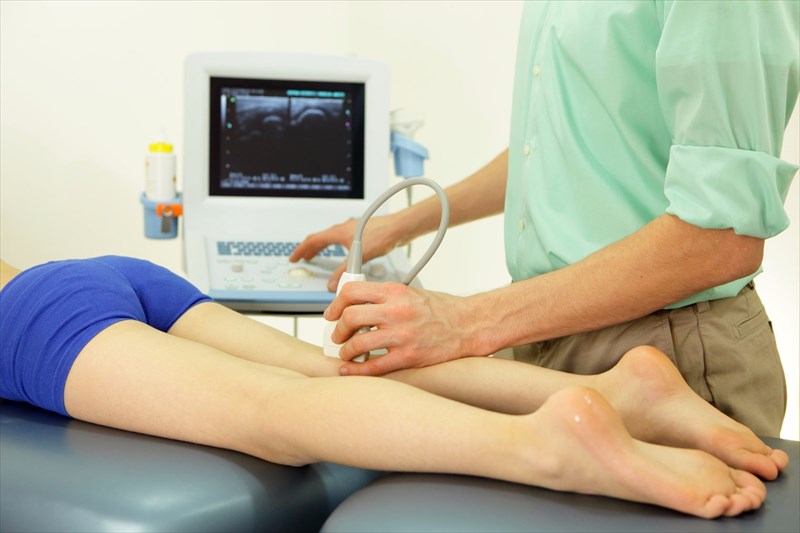
The most common place for a blood clot to occur is in your lower leg. To diagnose dvt, your health care provider will do a physical exam and ask questions about your symptoms. Symptoms of dvt call your doctor right away if you have these dvt symptoms, especially if they appear suddenly: Dvt can cause fluid buildup (edema) in the arms or legs. Notice if you have pain in your. Ad understand some of the common symptoms and risk factors of dvt and pe. When you press on the swollen area, it can cause a dimple or “pit” (pitting) that remains. They range from imaging techniques to diagnosis by blood tests. Watch for swelling, especially in an arm or leg. How dvt is diagnosed if a doctor thinks you have dvt, you should be referred to hospital within 24 hours for an ultrasound scan.
Blood flow in these areas is particularly weak, and it's even more pronounced in the. Ad understand some of the common symptoms and risk factors of dvt and pe. Dvt can cause fluid buildup (edema) in the arms or legs. Involves scanning the leg using compression, color doppler, and pulse wave doppler from the common femoral vein all the. How dvt is diagnosed if a doctor thinks you have dvt, you should be referred to hospital within 24 hours for an ultrasound scan. A blood clot in your leg or arm can have various symptoms, including: The provider will check the legs for swelling, tenderness or changes in skin color. First, it’s important to note that there are other. Since clots block your blood flow, blood builds up behind the clot. Recognizing symptoms of a blood clot.
Watch for swelling, especially in an arm or leg. The scan shows whether blood is flowing normally through. Recognizing symptoms of a blood clot. First, it’s important to note that there are other. They range from imaging techniques to diagnosis by blood tests. Notice if you have pain in your. A blood clot in your leg or arm can have various symptoms, including: Swelling in one or both legs pain or tenderness in your leg, ankle, foot, or arm. Blood flow in these areas is particularly weak, and it's even more pronounced in the. A dvt is a blood clot which can travel to the lungs and lead to a pe.