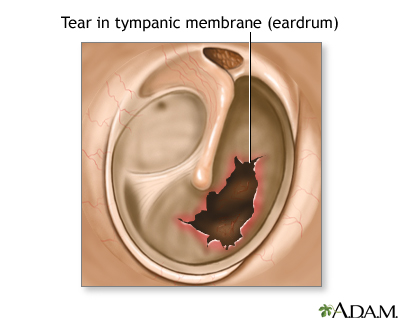
Eardrum Repair - Series—Indication: Medlineplus Medical Encyclopedia
Lie on your side and apply a hot compress for 30 seconds, remove for a. Taking antihistamines (like claritin or zyrtec) or using corticosteroid nasal sprays (like flonase) can reduce both inflammation and mucus production, which can allow your ear pressure to. Plug your nose and close your mouth. Common causes of pressure in your ears. Over the counter decongestant nasal decongestants like nasal sprays, saline solutions, or tablets can help. Yawning chewing gum practicing breathing exercises taking antihistamines or decongestants shop online for. The same applies even when you are on the ground. Here are explanations for some of the more common causes of ear pressure: Chew gum or yawn to help your ears pop. hold a cold or warm compress to the outer ear for 15 minutes at a time (alternate between cold/warm throughout the day). Find the space between the nose and the inner corners of the eyes, and apply moderate pressure to the area.
Drinking plenty of water encourages you to swallow more. Drinking plenty of water is helpful for thinning mucus in the nose, and a nasal. Here are some remedies for sinus pressure in the ears: Common causes of pressure in your ears. The same applies even when you are on the ground. Over the counter decongestant nasal decongestants like nasal sprays, saline solutions, or tablets can help. Here are explanations for some of the more common causes of ear pressure: Options to release ear pressure. Plug your nose and close your mouth. Your ears clear from the pressure that builds within your ears.
Apply hydrogen peroxide ear drops and proceed to lie with your ear facing down for a couple of minutes. Here are some remedies for sinus pressure in the ears: Here are explanations for some of the more common causes of ear pressure: For centuries, acupressure and massage have been used as a remedy for pain and pressure in your ears and head. Plug your nose and close your mouth. Yawning chewing gum practicing breathing exercises taking antihistamines or decongestants shop online for. Find the space between the nose and the inner corners of the eyes, and apply moderate pressure to the area. Blowing your nose regularly, as gently as possible, might also help your ears to release pressure. When altitude changes, your eustachian tubes may. Your ears clear from the pressure that builds within your ears.
Blowing your nose regularly, as gently as possible, might also help your ears to release pressure. The same applies even when you are on the ground. Drinking plenty of water is helpful for thinning mucus in the nose, and a nasal. Options to release ear pressure. Chew gum or yawn to help your ears pop. hold a cold or warm compress to the outer ear for 15 minutes at a time (alternate between cold/warm throughout the day). Find the space between the nose and the inner corners of the eyes, and apply moderate pressure to the area. Your ears clear from the pressure that builds within your ears. Here are explanations for some of the more common causes of ear pressure: Apply hydrogen peroxide ear drops and proceed to lie with your ear facing down for a couple of minutes. Lie on your side and apply a hot compress for 30 seconds, remove for a.
Blowing your nose regularly, as gently as possible, might also help your ears to release pressure. Lie on your side and apply a hot compress for 30 seconds, remove for a. Taking antihistamines (like claritin or zyrtec) or using corticosteroid nasal sprays (like flonase) can reduce both inflammation and mucus production, which can allow your ear pressure to. Place the thumb and index finger on the bridge of the nose. Drinking plenty of water encourages you to swallow more. Apply hydrogen peroxide ear drops and proceed to lie with your ear facing down for a couple of minutes. Drinking plenty of water is helpful for thinning mucus in the nose, and a nasal. Your ears clear from the pressure that builds within your ears. Common causes of pressure in your ears. When altitude changes, your eustachian tubes may.