
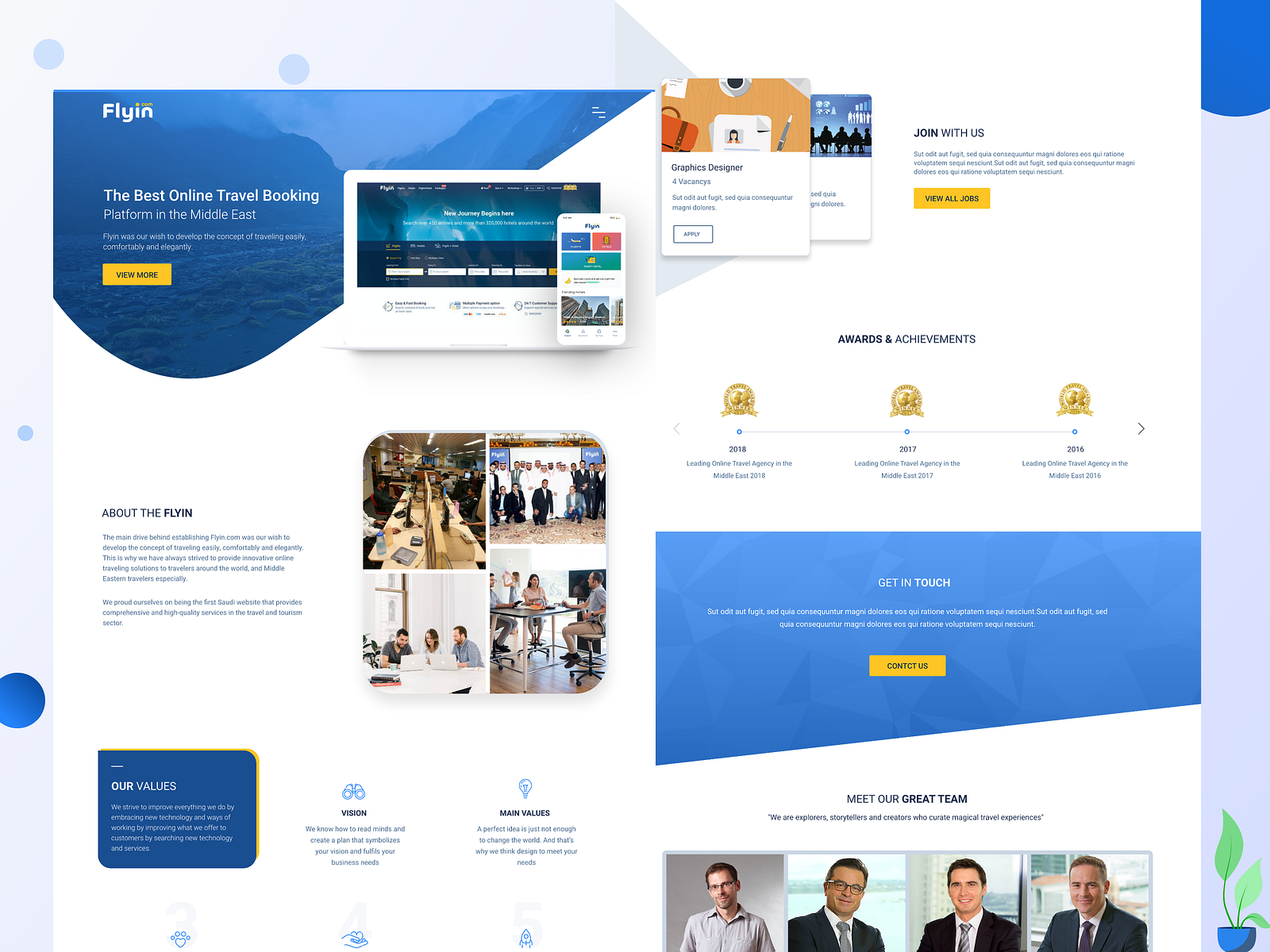
Professional Travel Site Architecture Unveiled
Seriously, building a standout travel company website in today's crowded digital landscape isn't just about looking pretty. It's about crafting an experience. Think of it as your virtual storefront, your 24/7 sales agent, and your brand ambassador, all rolled into one. Get it right, and you're on your way to bookings galore. Get it wrong, and you're just another face in the digital crowd. Today, we're diving deep into exactly how to build a professional travel company website that actually converts browsers into bookers.
Foundational Pillars: Branding and User Experience
Before you even think about pixels and code, you need to nail down your brand's essence. Who are you? What makes you unique? This isn't just marketing fluff; it dictates every design choice, every word you write, and every feature you implement. A clear brand identity is the bedrock upon which a successful professional travel company website is built.Defining Your Brand's Digital Persona
Your brand persona should resonate with your target audience. Are you selling luxury escapes, budget adventures, or niche eco-tours? Each demands a distinct visual style and tone of voice. A high-end luxury brand needs sleek, sophisticated design and evocative imagery. A backpacker's site, on the other hand, might thrive on vibrant colors, user-generated content, and a more casual, adventurous vibe. It's a big deal, this brand thing.Crafting an Intuitive User Journey
Once your brand is solid, focus on the user. People visiting your site want to find information quickly and easily. They want to be inspired, but they also need to feel confident booking with you. This means intuitive navigation, clear calls to action, and a seamless booking process. If users get lost or frustrated, they'll bounce faster than a rubber ball on a trampoline.
Essential Website Components for Travel Businesses
So, you've got your brand sorted. Now, let's talk about the actual stuff that goes on your professional travel company website. This isn't just about having pages; it's about having the right pages, packed with the right information, presented in the right way.Compelling Destination Pages
These are your star players. Each destination needs its own dedicated page, rich with captivating descriptions, high-quality photography, and practical information. Think beyond just listing facts; paint a picture, evoke emotions, and make people feel like they're already there. What are the must-see sights? What are the local delicacies? What's the best time to visit?Seamless Booking Engine Integration
This is non-negotiable. A clunky or non-existent booking system is a direct path to lost revenue. Your booking engine should be user-friendly, secure, and integrate smoothly with your inventory. Whether you're selling packages, flights, or custom itineraries, the process needs to be as smooth as a freshly paved runway. People don't want to jump through hoops; they want to click, book, and dream.Showcasing Trust and Credibility
In the travel industry, trust is paramount. Potential clients are handing over their hard-earned money for an experience. You need to build that trust from the moment they land on your site. This means prominently displaying testimonials, customer reviews, accreditations, and any awards you've won. It's about proving you're legit and reliable.
Technical Considerations for a High-Performance Site
Beyond the pretty pictures and persuasive copy, the underlying technology of your professional travel company website matters immensely. It's the engine under the hood that keeps everything running smoothly and efficiently.Mobile-First Design and Responsiveness
Look—most people browse and book travel on their phones these days. If your website looks like a crumpled map on a small screen, you're sunk. A mobile-first approach ensures your site looks and functions flawlessly on any device, from a massive desktop monitor to the smallest smartphone. It's not just a nice-to-have; it's a must-have.Optimizing for Speed and Performance
Slow websites kill conversions. Period. Users have the attention span of a gnat when it comes to loading times. You need to ensure your images are optimized, your code is clean, and your hosting is robust. Every second counts when someone's deciding whether to book their dream vacation with you or click away to a competitor.Search Engine Optimization (SEO) Fundamentals
Getting found online is crucial. This means implementing solid SEO practices from the get-go. Think relevant keywords (like how to build a professional travel company website, of course!), well-structured content, and a site that search engines can easily crawl and understand. It's an ongoing process, but a strong foundation pays dividends.
Content Strategy: Engaging and Informing Your Audience
Content is king, queen, and the entire royal court when it comes to travel websites. It's what draws people in, keeps them engaged, and ultimately persuades them to book. This is where you get to flex your storytelling muscles and showcase your expertise.Crafting Irresistible Itinerary Descriptions
Don't just list places. Weave a narrative. Describe the sensory experiences: the aroma of spices in a Moroccan souk, the feel of ancient cobblestones underfoot, the sound of waves crashing on a secluded beach. Make your itineraries sound like an adventure waiting to happen. Use vivid language that transports the reader.Leveraging Visual Storytelling
Humans are visual creatures. High-quality photography and videography are non-negotiable for a professional travel company website. Show, don't just tell. Use stunning images that capture the essence of your destinations and the experiences you offer. Consider incorporating video testimonials or short destination highlights. It's a powerful way to connect emotionally.Blogging for Authority and Engagement
A well-maintained blog is a goldmine. It's your platform to share insider tips, travel guides, cultural insights, and behind-the-scenes glimpses of your company. This not only attracts organic traffic through SEO but also positions you as an authority in the travel space. Think of it as your digital travel diary, but with a purpose.
Common Questions About how to build a professional travel company website
What are the most critical elements for a travel website's homepage?
Your homepage is your digital handshake. It needs to immediately convey your brand's essence, showcase your best offerings, and guide visitors toward their next step, whether that's exploring destinations, viewing packages, or contacting you. High-impact visuals and clear calls to action are key.
How important is mobile optimization for a travel website?
It's absolutely critical. The vast majority of travel research and booking happens on mobile devices. If your site isn't responsive and user-friendly on smartphones and tablets, you're losing a massive chunk of potential business. Mobile-first design is no longer optional; it's standard practice.
Should I use a pre-built template or custom design for my travel website?
For a truly professional look and feel that reflects your unique brand, custom design is often superior. While templates can be a quick start, they can also limit your ability to stand out and may not offer the specific functionalities a travel business needs. Customization allows for a tailored user experience.
What kind of content performs best on travel company websites?
Visually rich content like high-quality photography and videos is essential. Beyond that, compelling destination guides, detailed itinerary descriptions, authentic customer testimonials, and informative blog posts about travel tips and trends tend to perform very well. Storytelling is key.
How can I ensure my travel website builds trust with potential clients?
Transparency and social proof are your best friends. Displaying genuine customer reviews and testimonials prominently, showcasing accreditations and industry awards, providing clear contact information, and ensuring a secure booking process all contribute to building trust. Authenticity matters.