
New Travel Agent Portfolio Blueprint
So, you're embarking on the grand adventure of becoming a travel agent. Exciting stuff! You've got the passion, the wanderlust, and the desire to craft unforgettable experiences for others. But here's the thing, and it's a big one: clients don't just magically appear. They need to see what you can do. They need proof. That's where the magic of a well-constructed portfolio comes in. Think of it as your professional calling card, your visual resume, your irresistible invitation to dream. Building a stellar portfolio as a new travel agent might sound daunting, but trust me, with a little strategy and a lot of heart, you'll have something truly impressive in no time. Let's dive in.
The Foundation: Defining Your Niche and Vision
Before you even think about snapping photos or writing descriptions, you need to get crystal clear on what makes you, you. What kind of travel gets your heart racing? Are you all about luxury honeymoons, budget backpacking adventures, immersive cultural tours, or perhaps something super specific like eco-tourism in South America? Seriously, pinpointing your niche is the absolute first step in how to build a portfolio as a new travel agent. It’s not just about what you like to sell; it’s about understanding who your ideal client is and what they’re dreaming of.Identifying Your Ideal Client
Who are you trying to attract? Are they young professionals seeking weekend getaways, families looking for kid-friendly fun, or retirees yearning for once-in-a-lifetime expeditions? Understanding their demographics, their travel motivations, and their pain points will directly influence the kind of content you showcase. It's a big deal. Think about their budget, their preferred travel style, and the types of destinations that appeal to them. This isn't just guesswork; it's strategic planning that will make your portfolio resonate.Crafting Your Unique Selling Proposition (USP)
What makes you different from the agent down the street? Is it your unparalleled attention to detail, your knack for finding hidden gems, your personalized service, or your expertise in a particular region? Your USP should be woven throughout your portfolio. It's the thread that connects all your showcased experiences and convinces potential clients that you're the one to book with. Don't be shy; highlight what makes you shine.
Showcasing Your Expertise: Content is King
Now for the fun part: filling your portfolio with compelling content. This isn't just about listing trips you've taken. It's about demonstrating your ability to plan, execute, and deliver exceptional travel experiences. Look—your portfolio needs to tell a story, your story, and the stories of the incredible journeys you've facilitated. This is where the rubber meets the road in how to build a portfolio as a new travel agent.Leveraging Past Travel Experiences
Even if you're new to the business of travel, you've likely traveled yourself. Turn those personal trips into portfolio assets. For each destination, think about: * The Itinerary: Detail a realistic, well-thought-out itinerary, even if it was your own trip. Highlight unique activities, dining recommendations, and logistical considerations. * Visuals: High-quality photos and short videos are non-negotiable. Show off stunning landscapes, delicious food, unique accommodations, and happy travelers (if you have permission, of course!). * Personal Anecdotes: Share a brief, engaging story about a highlight of the trip. What made it special? What did you learn? This adds a human touch. * Practical Tips: Offer actionable advice related to the destination. This could be about local customs, packing essentials, or transportation.Creating Sample Itineraries and Packages
This is where you really get to flex your planning muscles. Develop a few sample itineraries for your target niche. These don't have to be actual bookings you've made (yet!). They're demonstrations of your capability. For instance, if you specialize in romantic getaways, create a "Parisian Romance" package. Include: * Destination Overview: A brief, enticing description of the location. * Duration and Price Range: Give clients an idea of commitment and cost. * Day-by-Day Breakdown: Detail activities, meals, and accommodation suggestions. * Inclusions and Exclusions: Be clear about what the package covers. * Optional Add-ons: Offer ways to customize and enhance the experience.Highlighting Client Testimonials and Reviews (When Available)
Once you start getting clients, their feedback is gold. Actively solicit testimonials. Ask satisfied clients to share their thoughts on the planning process, the trip itself, and your service. Even early on, if you've helped friends or family plan a trip, ask them for a quote. Positive reviews are powerful social proof and a crucial component of how to build a portfolio as a new travel agent.
Structuring Your Portfolio: Presentation Matters
How you present your information is just as important as the information itself. A cluttered or unprofessional portfolio will do more harm than good. Think of it as the interior design of your virtual storefront.Choosing the Right Platform
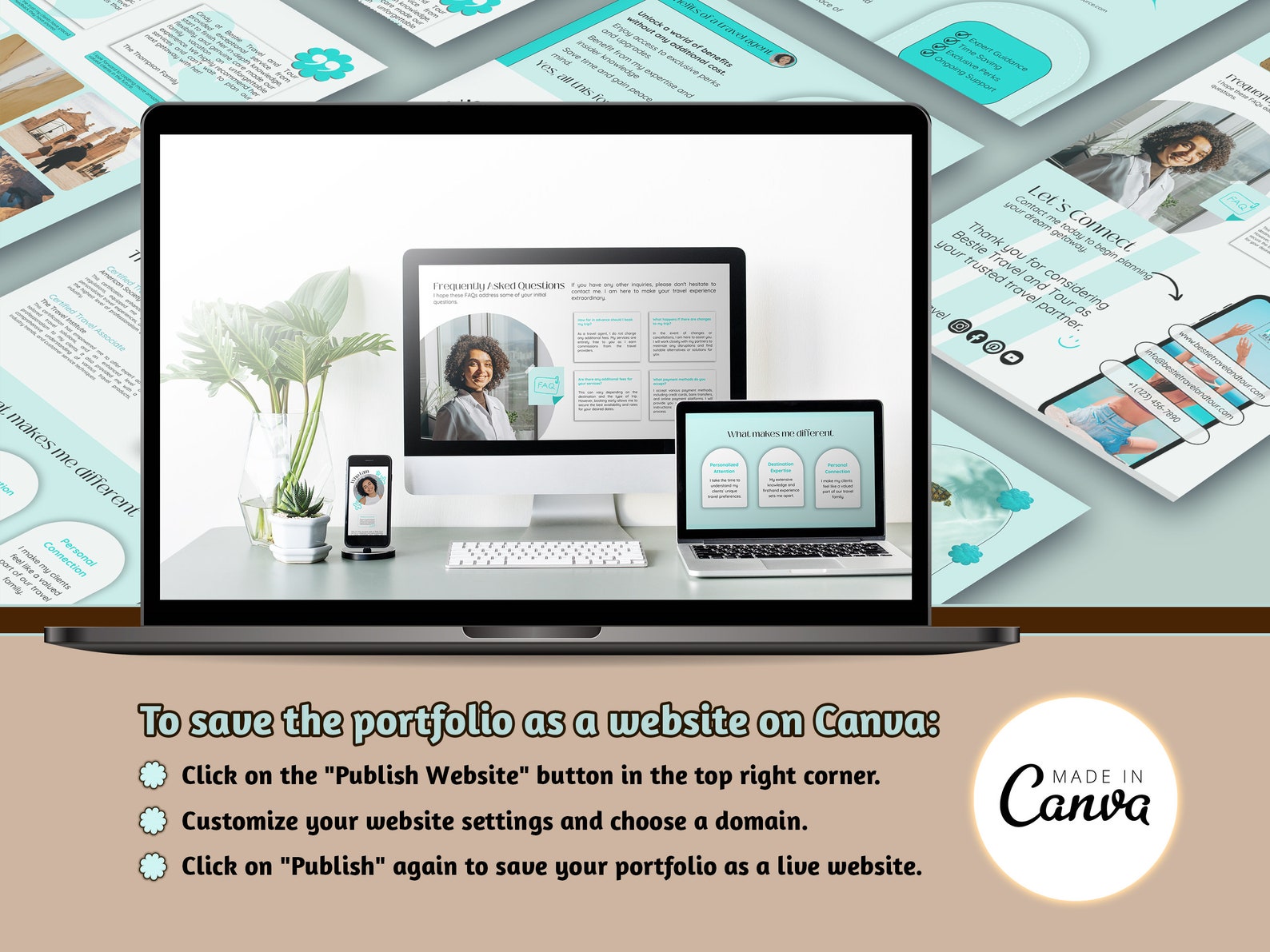
You have options here. A dedicated website is ideal for a professional look, but don't underestimate the power of a well-organized PDF or even a curated social media page (like Instagram or a dedicated Facebook business page). Whatever you choose, ensure it's easy to navigate and visually appealing. * Website: Offers the most control and a professional image. Platforms like Squarespace, Wix, or WordPress are user-friendly. * PDF Portfolio: Great for sending directly to potential clients or for a more traditional feel. Use design software like Canva to make it pop. * Social Media: Excellent for visual content and engagement, but ensure it's focused and professional.Organizing Your Content Logically
Structure is key. Clients should be able to find what they're looking for quickly and easily. A good structure might include: * About Me: Your story, your passion, your USP. * Niche Specialties: Dedicated sections for each area of expertise. * Sample Itineraries/Packages: Clearly categorized. * Testimonials: A dedicated page or section. * Contact Information: Make it super easy for people to reach you.Visual Consistency and Branding
Maintain a consistent visual style throughout your portfolio. This includes your color palette, fonts, and the overall aesthetic of your images. Your branding should reflect your niche and your personality. If you're targeting luxury clients, your visuals should exude sophistication. If it's adventure travel, think bold and dynamic. Honestly? This attention to detail makes a huge difference.
The Ongoing Evolution: Keeping Your Portfolio Fresh
Your portfolio isn't a static document; it's a living, breathing representation of your growing business. As you gain experience and new clients, you'll need to update it.Adding New Experiences and Client Successes
Every successful trip you plan is an opportunity to enhance your portfolio. Don't let those triumphs go unrecorded! Collect new photos, gather fresh testimonials, and consider creating new sample itineraries based on popular requests or emerging travel trends.Refining Your Niche and Offerings
As you learn more about your clients and the market, you might find your niche evolving. Be open to refining your specialties and adjusting your offerings. Your portfolio should reflect this growth and evolution. It's a testament to your journey.Seeking Feedback and Iterating
Don't be afraid to ask trusted colleagues or mentors to review your portfolio. Constructive criticism can help you identify areas for improvement and ensure your portfolio is as effective as possible. It’s all part of the process of how to build a portfolio as a new travel agent that truly shines.
Common Questions About how to build a portfolio as a new travel agent
I'm completely new, and I haven't booked any clients yet. How can I build a portfolio?
This is a common hurdle! Focus on leveraging your own travel experiences. Create detailed sample itineraries based on destinations you know well. If you have friends or family who have traveled and would give you permission, consider showcasing their trips with their approval and any photos they might have. You can also highlight your research skills by presenting a hypothetical, perfectly planned itinerary for a dream destination, showcasing your understanding of logistics and client desires.
What kind of photos should I include in my portfolio?
High-quality, visually appealing photos are crucial. Include stunning landscapes, unique accommodations, delicious food, and if possible, candid shots of happy travelers (with their consent!). Avoid blurry, dark, or overly touristy stock photos. Aim for images that evoke emotion and showcase the experience of travel, not just the destination itself. If you're showcasing your own past trips, use your best personal photos.
How often should I update my portfolio?
Aim to update your portfolio at least quarterly, or more frequently if you have significant new experiences or client successes to add. As you book more trips and gather new testimonials, integrate them promptly. Keeping your portfolio fresh demonstrates your active engagement and the vibrancy of your business.
Should I include pricing information in my sample itineraries?
It's generally best to provide a price range or a starting price for sample itineraries rather than fixed quotes. Travel costs fluctuate significantly based on seasonality, availability, and specific client preferences. Indicating a range gives potential clients a realistic idea of the investment involved without committing you to a price that might become outdated or inaccurate.
What if my niche is very specific, like adventure travel for solo women?
That's fantastic! Your portfolio should be hyper-focused on that. Showcase itineraries tailored specifically for solo women travelers, highlighting safety features, empowering activities, and unique local experiences. Use images and testimonials that resonate with this demographic. Your niche is your strength; lean into it and let your portfolio speak directly to that ideal client.