
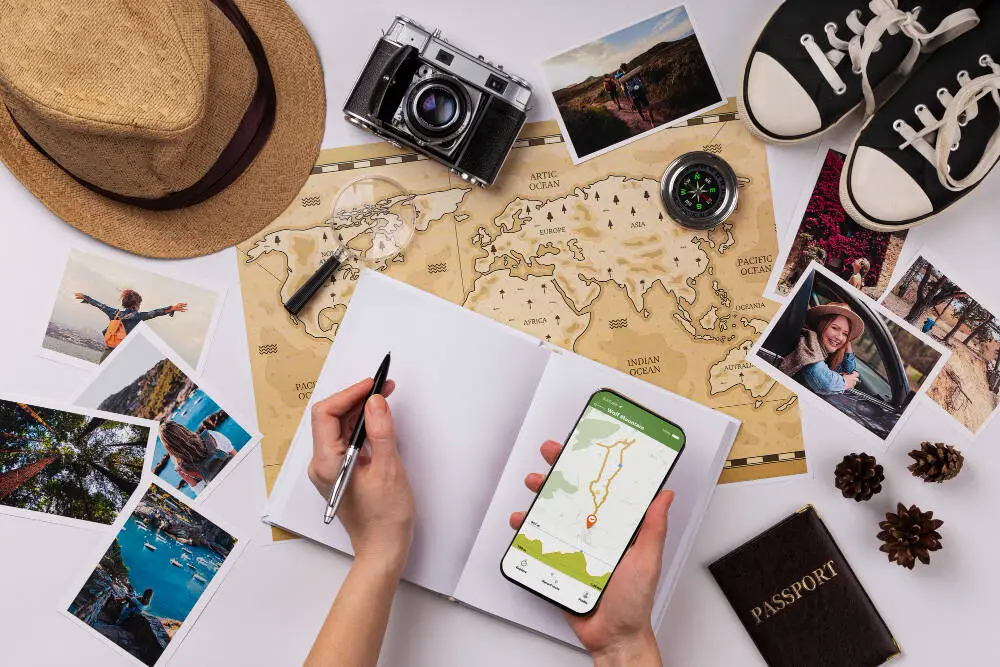
Travel Planner's Essential Skillset Mastery
Seriously, if you're thinking about diving into the world of travel planning, you've probably got wanderlust in your veins. It's a fantastic gig, don't get me wrong, but it's not just about booking flights and fancy hotels. It’s about crafting experiences, solving problems on the fly, and making people’s dream trips a reality. I've been in this game for over a decade, and let me tell you, the landscape is always shifting. What worked five years ago might be ancient history now. So, let's cut through the fluff and talk about the real, hard-won, essential skills for new travel planners that will actually make you shine. Forget those glossy brochures for a second; this is about the grit and the smarts.
Navigating Client Expectations: The Art of the Dream Weaver
This is where it all begins, really. Before you even think about destinations or itineraries, you've got to understand what your client is actually feeling. Are they stressed, excited, overwhelmed? Their emotional state is just as important as their budget. You're not just a booking agent; you're a confidant, a problem-solver, and sometimes, a therapist. It's a big deal.Unearthing the Unspoken Desires
Often, clients don't know exactly what they want. They'll say, "We want something relaxing," but what does that mean to them? Does it mean a silent beach with no Wi-Fi, or does it mean a bustling city with Michelin-starred restaurants and world-class spas? Your job is to ask probing questions, not just about preferences, but about their past travel experiences—what they loved, what they hated, and why. It's like being a detective, but instead of clues, you're gathering feelings and aspirations.Managing Budget Realities with Grace
Ah, the budget. The perennial dance partner of every travel planner. It's not about saying "no" to everything that's outside their stated budget, but about finding creative solutions. Can you suggest a slightly less luxurious but equally charming hotel? Can you re-route their flights to save a few hundred dollars that can then be put towards a unique local experience? This requires a deep understanding of value and a knack for negotiation, not just with suppliers, but with your client's perception of what's possible.
Logistical Prowess: The Backbone of Seamless Journeys
Okay, once you've got the vision, you need to make it happen. This is where the nitty-gritty comes in, and frankly, it's where many new planners stumble. It’s not just about clicking buttons; it’s about anticipating problems before they even arise. Think of yourself as an air traffic controller for vacations.Mastering Destination Knowledge
This isn't about memorizing every hotel in Paris. It's about understanding the essence of a destination. What are the local customs? What's the best time of year to visit, and why? What are the hidden gems that aren't in every guidebook? This deep-dive research is crucial. I always tell folks, you need to know your destinations like you know your own backyard. The more you travel yourself, the better you'll be at this.The Art of Itinerary Design
A good itinerary flows. It considers travel times, jet lag, and the client's energy levels. It's not just a list of activities; it's a narrative. You're crafting a story that unfolds beautifully over the course of their trip. This means thinking about the pace, the variety of experiences, and ensuring there's enough downtime. A packed-to-the-gills itinerary is often more stressful than enjoyable.Supplier Relationships and Negotiation
Building strong relationships with hotels, tour operators, airlines, and local guides is paramount. These aren't just vendors; they're your partners. Knowing who to call when things go sideways, and having them trust your judgment, is invaluable. This also ties into negotiation—securing the best rates and added amenities for your clients. It's a give-and-take, built on mutual respect and understanding.
Problem-Solving and Crisis Management: The Unsung Heroes
Let's be honest, travel doesn't always go according to plan. Flights get cancelled, luggage gets lost, and sometimes, you're dealing with a client who's suddenly decided they hate beaches. This is where your true mettle as a travel planner is tested.Proactive Contingency Planning
Before a trip even starts, I'm already thinking about what could go wrong. What's Plan B for that outdoor excursion if it rains? What are the alternative flight options if their original one is delayed for hours? This foresight is what separates the good from the great. It’s about having backup plans for your backup plans.Calm Under Pressure
When a crisis hits, your client will be panicking. They'll be looking to you for answers and reassurance. Your ability to remain calm, think clearly, and communicate effectively is absolutely critical. Take a deep breath, assess the situation, and then act decisively. This is not the time for emotional responses; it's the time for efficient problem-solving.Leveraging Technology and Resources
Don't be afraid of technology. There are incredible tools out there for flight tracking, hotel alerts, and communication. But also know when to pick up the phone and talk to a real human. Sometimes, a quick call can solve a complex issue faster than a dozen emails. It's about using the right tool for the job.
Communication and Interpersonal Skills: The Human Touch
This is the glue that holds everything together. You can be the most knowledgeable planner in the world, but if you can't communicate effectively, you'll struggle. It's all about building trust and rapport.Active Listening and Empathy
Remember those client expectations we talked about? Active listening is key. It means not just hearing what they say, but understanding the underlying message. Empathy allows you to connect with their excitement, their anxieties, and their desires. When clients feel truly heard and understood, they're more likely to trust your recommendations.Clear and Concise Explanations
When you're explaining an itinerary, a contract, or a tricky cancellation policy, clarity is king. Avoid jargon. Use simple, direct language. If you have to use technical terms, explain them immediately. Nobody wants to feel like they're deciphering an ancient scroll. It's about making complex information accessible.Setting Realistic Expectations
This is a delicate art. You want to excite your clients, but you also need to be honest about what's feasible. Don't over-promise and under-deliver. It's far better to under-promise and over-deliver, building a reputation for reliability and exceeding expectations.
Common Questions About essential skills for new travel planners
What's the most important skill for a new travel planner?
While many skills are vital, strong communication and active listening are arguably the most foundational. Understanding your client's needs and preferences deeply allows you to build trust and design truly personalized experiences.
How important is destination knowledge?
Extremely important. It’s not just about knowing facts; it's about understanding the nuances, culture, and best experiences a place offers. This allows you to provide authentic recommendations beyond the typical tourist traps.
Should I specialize in a certain type of travel?
Starting with a niche can be beneficial, as it allows you to build deep expertise. However, developing a broad understanding of various travel styles and destinations will make you a more versatile and resilient planner in the long run.
How do I handle difficult clients?
Remain calm, empathetic, and professional. Focus on finding solutions rather than dwelling on the problem. Clear communication and managing expectations from the outset can significantly reduce the likelihood of difficult situations.
Is it worth investing in travel planner software?
Yes, absolutely. Technology can streamline booking processes, manage client information, and automate tasks, freeing up your time to focus on client relationships and strategic planning. However, never let technology replace the human touch.