
Travel Website Success: 10 Pillars of Conversion
The Foundation: Crafting an Irresistible Online Presence
Defining Your Niche and Target Audience
So, you're looking to build a travel agency website that actually sells? It's not just about pretty pictures of exotic locales; it's about strategic design and understanding your customer. Seriously, before you even think about booking engine integrations or fancy SEO, you need to nail down precisely who you're trying to reach and what makes your agency unique. Are you the go-to for luxury honeymoons, budget-friendly family adventures, or perhaps off-the-beaten-path expeditions? This clarity is paramount. It shapes everything from your website's visual aesthetic to the language you use in your copy. Think of it as your brand's DNA. Without a strong, defined identity, your website will simply blend into the digital noise, and potential clients won't know why they should choose you over the thousands of other options out there.
This isn't just a suggestion; it's one of the absolute cornerstones of successful travel web design. When you understand your ideal client's dreams, pain points, and aspirations, you can tailor your entire online experience to resonate with them. What kind of travel inspires them? What are their hesitations about booking? What kind of support do they expect? Answering these questions will guide your content strategy, your feature selection, and ultimately, your conversion rates. It's a big deal.
Don't underestimate the power of specificity. Instead of trying to be everything to everyone, focus on becoming the undisputed expert in a particular travel segment. This allows you to speak directly to your audience's needs and desires, building trust and authority from the first click. Remember, a niche isn't a limitation; it's a launchpad for highly targeted and effective marketing. It's how you stand out.
Your website's design and functionality should reflect this chosen niche. If you're selling high-end luxury, you'll want a sophisticated, elegant interface. If you're targeting backpackers, a more vibrant, action-oriented design might be appropriate. This consistency is key to building a brand that feels authentic and trustworthy. It's all about creating an emotional connection before they even consider a booking.
User Experience (UX)—The Silent Salesperson
Look—if your website is a maze, people will get lost and leave. That's the brutal, beautiful truth of user experience. For a travel agency website that sells, intuitive navigation and a seamless journey are non-negotiable. Every click, every scroll, every form submission should feel effortless. This means thinking about how a potential client will interact with your site from the moment they land on it. Is it easy to find what they're looking for? Are the calls to action clear and compelling? Is the booking process straightforward, or is it a multi-step nightmare?
A clunky website is a conversion killer. It frustrates visitors, erodes trust, and sends them straight to your competitors. Think about it: when you're planning a trip, you want excitement and ease, not a technical headache. Your website should embody that feeling of anticipation and smooth planning. This involves not just good design but also robust functionality. Fast loading times, mobile responsiveness, and accessible features are all part of a positive UX. It's the silent salesperson working tirelessly in the background.
Seriously, invest time and resources into user testing. Get real people, ideally from your target audience, to navigate your site and provide feedback. Where do they stumble? What's confusing? What do they love? This feedback is gold. It will reveal usability issues you might never have spotted yourself. Remember, the goal is to make the path from browsing to booking as smooth and enjoyable as possible. It's a journey in itself.
Beyond navigation, consider the overall feel of the site. Is it visually appealing? Does the content flow logically? Are the images high-quality and relevant? A cluttered or poorly organized site can be just as detrimental as one that's technically difficult to use. It's about creating an environment that inspires confidence and encourages exploration. A well-designed UX tells visitors you care about their experience, and that's a powerful selling point.
Content is King (and Queen, and the Entire Royal Court)
Compelling Copywriting: Selling the Dream, Not Just the Destination
Let's talk about words. Not just any words, but the kind that make someone pack their bags. Your website copy is where the magic happens. It needs to be more than just descriptive; it has to be evocative, persuasive, and deeply connected to the desires of your target audience. When you're crafting content for a travel agency website that sells, you're not just listing features; you're selling experiences, memories, and transformations. What does it feel like to stand on that mountaintop, taste that local cuisine, or witness that ancient ruin? Your words should paint that picture vividly.
Honestly? Many travel websites fall flat here. They rely on generic descriptions and tired clichés. To truly succeed, you need to tap into the emotional core of travel. What are the aspirations your clients have? What are they hoping to escape from? What kind of personal growth are they seeking? Your copy should address these underlying motivations. Use sensory language, tell stories, and create a sense of urgency and excitement. It's about building a narrative that draws people in and makes them feel like they need this trip.
Don't be afraid to inject personality into your writing. A conversational, authoritative yet engaging tone, as we're aiming for here, can make your brand feel more human and relatable. Use contractions, speak directly to the reader, and share your passion for travel. This authenticity is incredibly appealing. It's the difference between a sterile brochure and a warm invitation. It's a big deal for building rapport.
Consider the journey your reader is on. Start with a captivating hook that grabs their attention. Then, guide them through the benefits of your offerings, addressing potential concerns along the way. Finally, make your call to action crystal clear. Every piece of copy should serve a purpose, moving the reader closer to making a booking. This strategic approach to copywriting is fundamental to creating a travel agency website that sells.
High-Quality Visuals: The Irresistible Lure
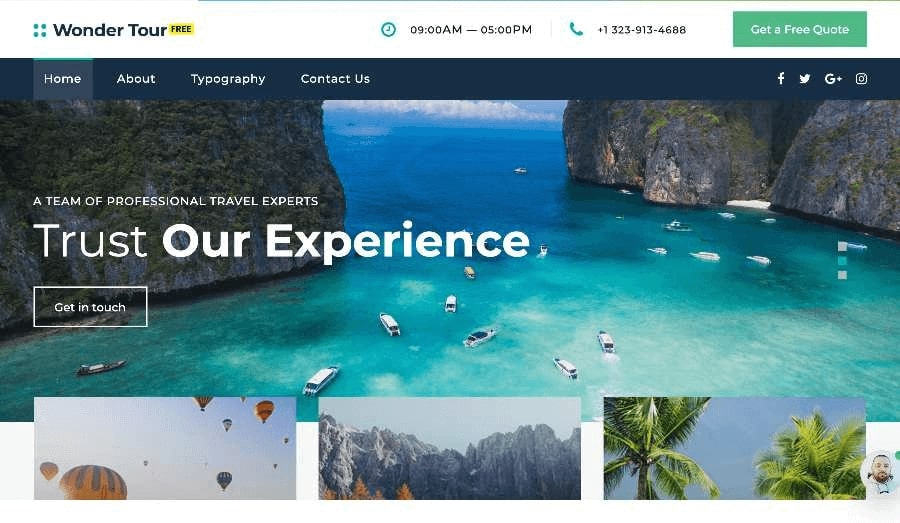
You've heard it a million times: "a picture is worth a thousand words." For a travel agency website, this couldn't be more true. Stunning, high-resolution images and engaging videos are your most powerful tools for captivating potential clients and making them dream. Seriously, think about the last time you scrolled through travel photos online – didn't you instantly feel a pang of wanderlust? That's the power of visuals. They bypass logical barriers and speak directly to emotions.
When selecting visuals for your website, authenticity and quality are paramount. Stock photos, while sometimes unavoidable, can often feel generic and impersonal. Whenever possible, use your own photography or commission professional shots that truly represent the experiences you offer. Images should be vibrant, well-composed, and showcase the unique beauty and excitement of your destinations. They need to inspire. It's a crucial part of the 10 tips to create a travel agency website that sells.
Don't just showcase pretty landscapes; show people experiencing the destination. Images of happy travelers enjoying activities, interacting with locals, or savoring local cuisine add a human element that resonates deeply. This helps potential clients envision themselves in those scenarios. It's about creating aspirational content that feels achievable. This is where the real selling begins.
Video content is also becoming increasingly important. Short, engaging videos can bring destinations to life in a way that static images can't. Think about drone footage of breathtaking scenery, testimonials from satisfied clients, or behind-the-scenes glimpses of your team's expertise. These elements add dynamism and depth to your website, further enhancing its appeal and conversion potential. It's a strategic investment.
Building Trust and Driving Conversions
Clear Calls to Action (CTAs): Guiding the Journey
You've hooked them with stunning visuals and compelling copy. Now what? This is where clear, concise, and strategically placed calls to action (CTAs) come into play. They are the signposts that guide your visitors from browsing to booking, and for a travel agency website that sells, they are absolutely vital. Without them, your visitors might be inspired, but they won't know what to do next.
Think of your CTAs as the bridges connecting desire to action. They should be prominent, easy to understand, and create a sense of urgency or benefit. Phrases like "Book Your Dream Vacation Now," "Explore Our Packages," or "Get a Free Quote" are effective because they clearly state what you want the user to do and what they will gain from it. It's not rocket science, but it requires careful consideration. It's a big deal.
Placement is key. CTAs should appear at natural points in the user's journey – at the end of a compelling description, within a relevant section of your site, or on your homepage. Don't hide them! Make them stand out visually with contrasting colors or button designs. A well-executed CTA isn't just a button; it's an invitation to the next step in their travel adventure. Seriously, don't underestimate their power.
Test different CTA phrasing and designs to see what resonates best with your audience. What language creates the most intrigue? What color attracts the most clicks? Continuous optimization of your CTAs is crucial for maximizing conversions. Remember, the ultimate goal is to make it as easy and appealing as possible for someone to take the desired action. It's about facilitating their decision.
Social Proof: Leveraging Testimonials and Reviews
In the world of travel, trust is everything. People are entrusting you with their precious vacation time and hard-earned money. That's why social proof—the evidence of other people's positive experiences—is an incredibly powerful tool for any travel agency website that sells. When potential clients see that others have had fantastic trips through your agency, it significantly boosts their confidence and willingness to book.
Testimonials are your secret weapon. Don't just collect them; showcase them prominently. Feature them on your homepage, on individual package pages, and in dedicated testimonial sections. Use real names, locations, and even photos of your clients if possible. The more authentic and specific the testimonial, the more impactful it will be. Honestly, a glowing review from someone who sounds like them can be more persuasive than any marketing copy you write.
Beyond written testimonials, consider video reviews. Seeing a happy client share their experience in their own words can be incredibly compelling. This adds a layer of authenticity that's hard to replicate. It's a direct window into the positive experiences your agency provides. It’s a fundamental part of building credibility.
Furthermore, integrate links to your social media profiles and encourage reviews on platforms like Google, TripAdvisor, or Facebook. Monitor these platforms diligently and respond to all reviews, both positive and negative. This shows that you're engaged and committed to customer satisfaction. It's all part of building a reputation that precedes you and makes booking with you a no-brainer. It’s a cornerstone of 10 tips to create a travel agency website that sells.
Technical Excellence and Ongoing Optimization
Mobile Responsiveness: Travel on the Go
Let's be blunt: if your travel agency website isn't perfectly responsive on mobile devices, you're leaving money on the table. In today's world, people plan trips on their phones, from coffee shops, during commutes, and even while on other vacations. They expect a seamless experience, no matter the screen size. For a travel agency website that sells, mobile responsiveness isn't a nice-to-have; it's an absolute necessity. Seriously, it's non-negotiable.
Think about it. A potential client might stumble upon your site through a social media ad or a quick search while they're out and about. If your site is difficult to navigate, loads slowly, or has tiny text and buttons that are impossible to tap, they'll bounce faster than a beach ball in a hurricane. They'll simply move on to a competitor whose website is designed with their mobile experience in mind. It's a harsh reality, but a crucial one.
This means ensuring that all elements of your website—text, images, navigation, forms, and booking engines—adapt flawlessly to different screen resolutions. Buttons should be large enough to tap easily, text should be readable without zooming, and images should scale appropriately. The overall user interface should remain intuitive and user-friendly. It's about creating an experience that's just as enjoyable on a small smartphone screen as it is on a large desktop monitor.
Don't just assume your website is mobile-friendly; test it rigorously. Use online tools to check responsiveness, but more importantly, have real people test it on various devices. Get feedback on how easy it is to find information, fill out forms, and initiate a booking. A flawless mobile experience is a direct pathway to increased engagement and, ultimately, more sales. It’s a critical part of the 10 tips to create a travel agency website that sells.
Search Engine Optimization (SEO): Being Found
So, you've built a stunning website with compelling content and seamless user experience. Fantastic! But if no one can find you on Google, all that hard work goes to waste. Search engine optimization (SEO) is the engine that drives organic traffic to your site, and for a travel agency website that sells, it's your primary method of attracting qualified leads. It's about making sure that when someone searches for "luxury safaris in Kenya" or "family beach holidays in the Caribbean," your agency pops up prominently.
This isn't just about stuffing keywords into your content, though keyword research is a vital starting point. True SEO is a holistic approach. It involves optimizing your website's technical aspects (like site speed and mobile-friendliness), creating high-quality, relevant content that users actually want to read, and building authoritative backlinks from other reputable websites. It's a marathon, not a sprint, but the rewards are immense. Honestly? It's where the long-term growth happens.
Start by identifying the keywords your target audience is using. What terms do they type into search engines when they're looking for the kind of travel you offer? Use these keywords naturally throughout your website copy, in your page titles, meta descriptions, and image alt tags. But remember, prioritize readability and user experience over keyword density. Google is smart enough to recognize thin or spammy content.
Beyond on-page optimization, focus on off-page SEO. This includes building high-quality backlinks from relevant travel blogs, industry publications, and partner websites. Creating shareable content that others want to link to is a fantastic strategy. Consistently updating your content and ensuring your website is technically sound are ongoing tasks that keep you competitive. It's a crucial element of the 10 tips to create a travel agency website that sells.
Analytics and Iteration: The Path to Perpetual Improvement
The digital landscape is constantly shifting, and your travel agency website shouldn't be static. To ensure it remains a top performer and continues to sell, you need to embrace analytics and commit to ongoing iteration. This means constantly monitoring how users interact with your site, identifying areas for improvement, and making data-driven adjustments. It's the secret sauce that separates good websites from truly great ones. Seriously, don't skip this step.
Tools like Google Analytics are your best friends here. They provide invaluable insights into visitor behavior: where they're coming from, what pages they're visiting, how long they're staying, and where they're dropping off. This data is gold. It tells you what's working and, more importantly, what's not. Are people leaving your booking page halfway through? Are they not clicking on your "explore destinations" button? These are crucial clues.
Once you have this data, the real work begins: iteration. Based on your analytics, you can start making informed changes. Perhaps a particular call to action isn't performing well, so you test a different wording or placement. Maybe a certain blog post is driving a lot of traffic but not leading to bookings, so you analyze why and adjust the content or add a stronger CTA. It's a continuous cycle of analyzing, hypothesizing, implementing, and re-analyzing.
Don't be afraid to experiment. A/B testing different headlines, images, or layouts can reveal surprising insights into what resonates best with your audience. The goal is to create a feedback loop that allows your website to evolve and improve over time, ensuring it remains effective in attracting and converting leads. It's the ongoing commitment to refinement that truly makes a travel agency website sell. It’s the final, critical piece of the 10 tips to create a travel agency website that sells.
Common Questions About 10 tips to create a travel agency website that sells
How do I make my travel agency website stand out from competitors?
To make your travel agency website stand out, focus on defining a clear niche and target audience, creating highly compelling and unique content that tells a story, and showcasing authentic, high-quality visuals. Personalizing the user experience and offering exceptional customer service, reflected on your website, will also differentiate you significantly.
What is the most important element for a travel website to sell?
While many elements are crucial, the most important element for a travel website to sell is building trust and clearly communicating value. This is achieved through a combination of professional design, compelling copywriting that sells the dream, social proof (testimonials/reviews), and a seamless, user-friendly experience that guides visitors towards booking.
Should I use a template or custom design for my travel agency website?
For a truly unique and effective travel agency website that sells, a custom design is often preferable as it can be tailored precisely to your brand, niche, and target audience's needs. However, high-quality, customizable templates can be a cost-effective starting point, provided you invest in adapting them significantly to your specific requirements and brand identity.
How often should I update content on my travel agency website?
You should aim to update content on your travel agency website regularly, ideally on a weekly or bi-weekly basis. This includes adding new blog posts, updating destination information, featuring new packages, and refreshing testimonials. Regular updates signal to search engines that your site is active and relevant, and they keep your audience engaged.
What role do social media integrations play in a travel website's success?
Social media integrations are vital for a travel website's success. They allow for easy sharing of your content, provide social proof through likes and shares, and can drive traffic back to your site. Displaying your social feeds and making it easy for visitors to connect with you on social platforms enhances engagement and builds community around your brand.